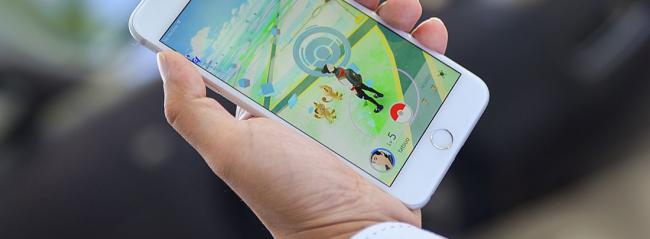
It is one of the news stories of the summer, one of those topics that generates thousands and thousands of articles: Pokemon Go, the augmented reality game by Nintendo and Niantic, is a massive success and everyone wants to play it. As a result, Pokemon Go is starring in increasingly eccentric headlines — from the woman who quit her job to become a full-time Pokemon trainer selling accounts on eBay, to the town council incorporating Pokemon activities into youth festivals, to those who end up being arrested for going to catch Pokemon where they should not have been. It is Pokemon fever, and of course brands are getting in on the action too.
As tends to happen with any hot topic and anything that shoots straight to trending, brands are trying to capitalise on Pokemon Go. Companies are trying to talk about Pokemon, seeking to become part of the conversation and doing whatever it takes to join the Pokemon frenzy.
And while only McDonald's has become an official advertiser, everyone is trying to use the game's craze to their advantage.
There is a powerful explanation for all of this. Pokemon Go is getting consumers out of their homes and driving them into specific places and spaces. It is making consumers visit shops, restaurants, and all kinds of venues, giving everyone from retailers to museums and libraries a new wave of visitors driven by the game.
And if consumers are already there, at least one part of the job is done — all that remains is to give them a little nudge to get them buying. They are visitors; you just need to convert them into customers.
According to some statistics, the presence of a Pokemon can cause a restaurant's sales to rise by 75% (if they come in to hunt, they will have to buy something…). 67% of men and 35% of women would visit a business with the sole intention of catching a Pokemon.
That is why shops are going all-out to drive traffic and catch Pokemon hunters mid-hunt around the city. Being a PokéStop or hosting a gym (in the first you can get items to improve your game, in the second you can compete with others) or having a Pokemon has become something of a godsend, as Business Insider explains — one that shops are chasing like mad.
Shops are investing directly to achieve this, as the outlet notes in its analysis of what small British businesses are doing with the Pokemon Go craze. Given that Spain was a slightly later adopter, this wave of store exploitation of the craze can also be expected to arrive a little later.
Cheaper than social media marketing
How are they doing it? They are not simply relying on the luck of having a Pokemon element inside their premises — they are using every resource available. For example, they are investing in purchasing lures that increase the number of catchable Pokemon or improve certain things within the game.
In other words, they are investing in in-game items that their customers can use and that serve as bait to attract consumers. As the manager of a coffee shop — in this case in Dublin — explains to Business Insider, every day he places a lure at the entrance to his café and announces it on social media, launching a linked purchase promotion. The number of customers has increased significantly.
The investment is not very high (the café manager has spent $99 so far, a clothing store owner around $66 in one week) and the return is high, as it outperforms social media campaign results at a lower cost — at least, that is how these small businesses that are already using this tool see it.